
 Photos:10
178,420 ₾$68,773
≈ $68,773≈ 178,420 ₾
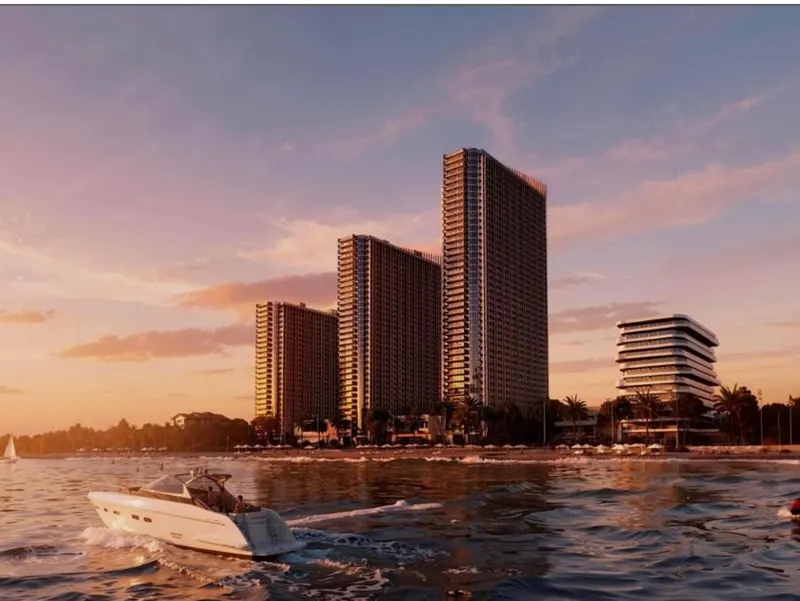
1-bedroom apartment, 35 m², floor 11/28, Kobuleti
1 room35 m²floor 11/28
Kobuleti ·
Phone verifiedPrivate realtor
HousingFor foreigners buying a flat or a house in Georgia
Foreigners can freely buy flats and houses on non-agricultural land in Georgia: the Constitution restricts only agricultural land for them (Art. 19; Chambers Real Estate 2026). You become the owner once your title is registered with the Public Registry — the fee is 150 ₾ for 4 working days (napr.gov.ge, October 2026). If the property's market value is over $150,000, you can apply for a short-term residence permit; the agency makes the decision and may refuse (Law on the Legal Status of Aliens and Stateless Persons, Arts 15, 17, 18; threshold since 1 March 2026).
Only a Public Registry extract proves the seller's title (Law on Public Registry, Art. 10). It shows the owner, mortgages, seizures and tax liens. Check that the name in the extract matches the seller's passport. Registered leases, mortgages and usufructs pass to the new owner together with the flat (Art. 11). While a seizure is registered on the property, other rights are generally not registered (Art. 19).
13 ₾ online, 20 ₾ at an office; plus 26 ₾ for EnglishA foreigner can get agricultural land only through inheritance. The law also counts homestead land as agricultural land (Organic Law on Agricultural Land Ownership, Art. 3). The Public Registry issues information on a plot's designated purpose and land category.
13 ₾ for 4 working days, 26 ₾ for 1 dayTitle to a flat in a building under construction is registered on the basis of the construction documents, and after completion on the basis of the document putting the building into service (Law on Public Registry, Art. 15⁶). Without these documents, the Registry issues only an information card, and the building does not appear in the extract. In Tbilisi, construction permits are issued by the City Hall's Architecture Service; its site tas.ge has a search for its decisions and an interactive map.
The contract must be in writing (Civil Code, Art. 183). Signatures are certified by a notary or by an authorised Public Registry officer when you submit the registration application (Civil Code, Art. 311¹; Instruction on the Public Registry, Art. 55). For certification at the Registry, the contract must be in Georgian; if you don't speak the language, a translation is attached (Art. 57). The Registry officer only confirms your identity and signature and does not check the terms of the contract (Art. 58).
7 ₾ to certify signatures at the RegistryYou become the owner only once your title is registered with the Public Registry (Civil Code, Art. 183). Applications are accepted at Public Service Halls and offices of the National Agency of Public Registry. After registration, a new extract is issued in your name (Law on Public Registry, Art. 9).
150 ₾ for 4 working days, 270 ₾ for 1 day, 350 ₾ on the day you applyProperty tax on property other than land is 0.8–1% of market value, but only if your family's income last year was over 100,000 ₾ (Tax Code, Arts 202, 206). The owner of a house with a plot pays land tax whatever their income (Arts 203–204); exemptions cover the share of land under an apartment building and land attached to a residential house within the area set by the municipal council, the Sakrebulo (Art. 206). File the return by 1 November and pay by 15 November (Art. 205). If the flat is worth over $150,000 as valued by an accredited valuer, you can apply for a short-term residence permit. Since 1 September 2025, it is not issued to people staying in Georgia on a category C visa or who entered visa-free on the strength of a visa or residence permit from a third country (Law on the Legal Status of Aliens and Stateless Persons, Arts 14, 15, 16). See the residence permit guide for details.
Photos:10178,420 ₾$68,773
≈ $68,773≈ 178,420 ₾
1 room35 m²floor 11/28
Kobuleti ·
Phone verifiedPrivate realtor
 Photos:12
272,140 ₾$104,900
≈ $104,900≈ 272,140 ₾
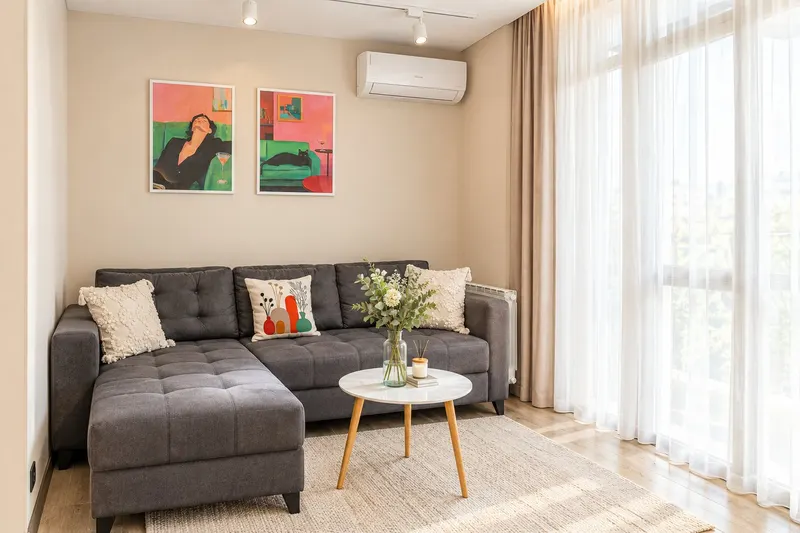
2 rooms53 m²floor 3/18
Airport, Batumi ·
Phone verified
 Photos:19
141,390 ₾$54,500
≈ $54,500≈ 141,390 ₾
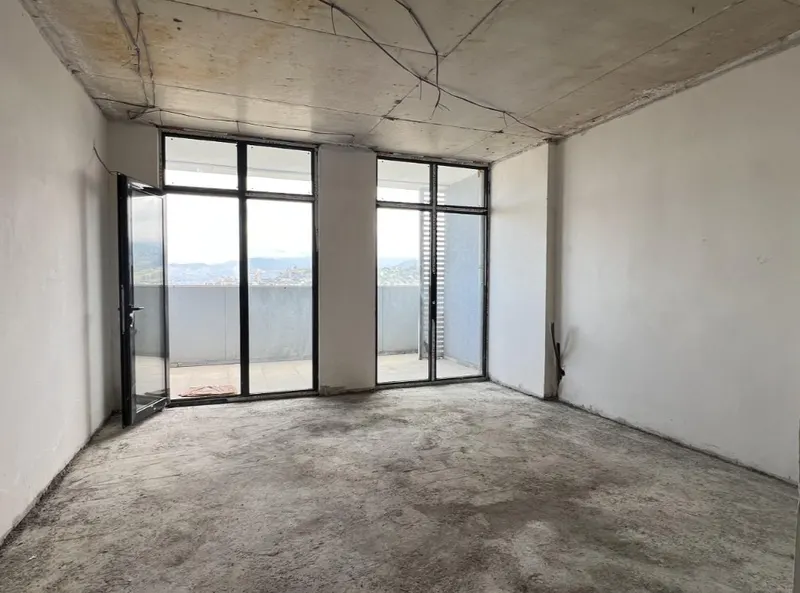
Studio39 m²floor 14/28
Javakhishvili, Batumi ·
 Photos:7
233,230 ₾$89,900
≈ $89,900≈ 233,230 ₾
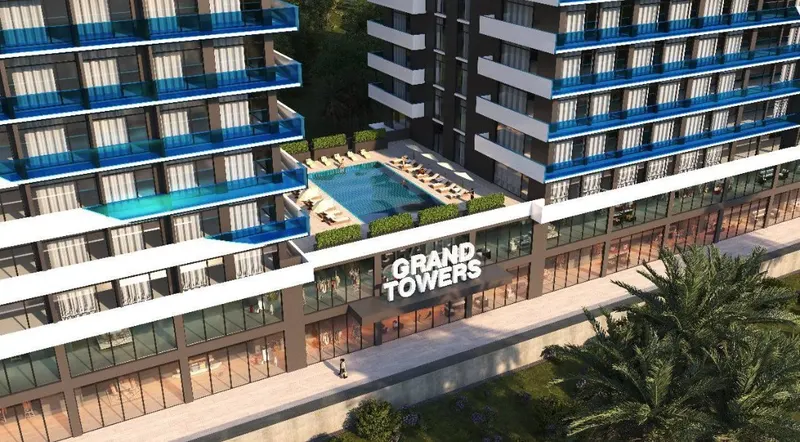
2 rooms61 m²floor 11/30
New Boulevard, Batumi ·
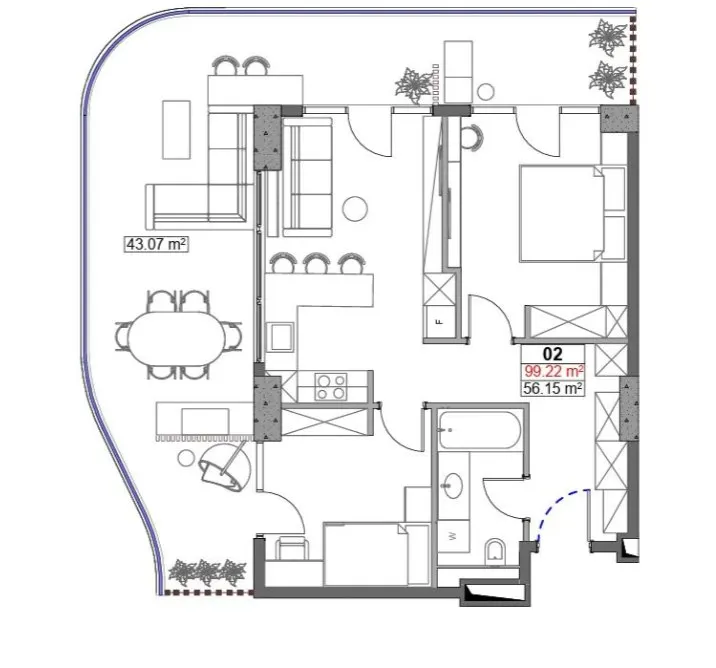 Photos:5
438,440 ₾$169,000
≈ $169,000≈ 438,440 ₾
3 rooms99 m²floor 15/16
Airport, Batumi ·
 Photos:4
433,250 ₾$167,000
≈ $167,000≈ 433,250 ₾
3 rooms95 m²floor 5/40
Angisa, Batumi ·
Check the exact list on the portal before applying: it changes.
The lari is the only legal tender in Georgia, except in cases set by the National Bank. If the seller is an entrepreneur (a company or an individual entrepreneur), the law requires prices in offers and advertising to be shown only in lari; the National Bank may set different rules (Organic Law on the National Bank of Georgia, Art. 34, consolidated version of 1 April 2026). Through the Registry's Smart Contract service, the price is stated and paid only in lari. Whether your deal can be settled in foreign currency depends on National Bank rules — check with the bank you pay through.
Whether a bank will lend to a non-resident, and on what terms — rate, down payment, required documents — we have not confirmed on the official pages of TBC and Bank of Georgia. Ask the bank.
The law allows title to a flat in a building under construction to be registered if construction documents exist. If the building is not yet registered, an obligation to transfer the future flat can be registered on the land plot once the conditions for using the plot for construction have been issued (Law on Public Registry, Art. 15⁶). Completion dates, penalties for delays and refunds are set out in the contract with the developer — read these clauses before you pay. In Tbilisi, City Hall has shown completed buildings and suspended construction sites on a map since November 2025 (Georgia Today, 27 November 2025).
According to lawyers at MB Legal, Georgia has no separate tax on the transfer of ownership, and the main cost is the Registry fee; 18% VAT applies if the seller is VAT-registered and sells in the course of business (Chambers Real Estate 2026, updated 7 May 2026). Ask the developer whether VAT is included in the price of a new-build flat.
The Tax Code counts all income as family income. The rule that only Georgian-source income counts applies only to non-residents who are Georgian citizens (Art. 202(7)). The Code does not say directly how a non-resident foreigner's income from abroad is treated — check with the Revenue Service (rs.ge).
Yes. The Constitution restricts agricultural land for foreigners, and the organic law allows a foreigner to get it only through inheritance (Constitution, Art. 19; Organic Law on Agricultural Land Ownership, Art. 4). Foreigners can freely buy flats and houses on non-agricultural land, according to lawyers at MB Legal (Chambers, May 2026).
The Public Registry fee is 150 ₾ for 4 working days, 270 ₾ for 1 day or 350 ₾ on the day you apply. An extract costs 13 ₾ online, and certifying signatures at the Registry costs 7 ₾ (napr.gov.ge, October 2026). Notaries and valuers charge separately.
Yes, if the property's market value is over $150,000 in lari as valued by an accredited valuer: this is a short-term residence permit, extended one year at a time and also issued to your spouse and children. For property worth over $300,000, you get a 5-year investment residence permit, and after 5 years of ownership an unlimited residence permit. The $150,000 threshold has applied since 1 March 2026; before that it was $100,000. Since 1 September 2025, a short-term residence permit is not issued to people staying in Georgia on a category C visa or who entered visa-free on the strength of a visa or residence permit from a third country (Law on the Legal Status of Aliens and Stateless Persons, Arts 14, 15, 16).
Property tax on property other than land is 0.8–1% of market value, but only if your family's income last year was over 100,000 ₾ (Tax Code, Arts 202, 206, since 30 September 2026). For a house with a plot, land tax is paid whatever your income (Arts 203–204). Income from renting out housing for living can be taxed at 5% without deductions. If you sell within 2 years, you pay 5% on the gain; after that, no tax.
No: if the parties sign the contract at the Registry in front of an authorised officer, notarisation is not needed (Civil Code, Art. 311¹). The officer only checks identity and signatures, not the terms of the contract. The Registry does not certify powers of attorney — a notary does (Instruction on the Public Registry No. 487, Art. 56).
The Registry's online Smart Contract service is available only to Georgian citizens and cannot be used through a representative. A foreigner needs a representative with a notarised power of attorney: it can be made at a Georgian consulate or by a notary in your country with an apostille or legalisation, unless an international treaty provides otherwise (Law on Notaries, Arts 42, 55, 56).
On doberi, listings of flats for sale are in three languages, and you can translate your chat with the seller. Before paying a deposit, order a Public Registry extract and check who the owner is.